




















In the case of performance bias, we classified six studies as having low risk of bias, 19 studies as having high risk of bias, and seven studies as having unclear risk of bias. We conducted a standard Chi² test through Review Manager Software 5.3 to test for heterogeneity (Review Manager (RevMan)). A P value of 0.1 or less was considered to show statistically significant heterogeneity. The I² statistic was used to interpret the level of heterogeneity (Higgins 2011). For the purposes of this review, if I² was greater than 50%, it was considered to show a substantial level of heterogeneity. Furthermore, we visually inspected the forest plot to check whether there were any non‐overlapping confidence intervals indicating heterogeneity.
Get Regular Physical Activity
Because all of our outcomes of interest provided continuous data, we used the inverse variance approach and a fixed‐effect model to combine effect sizes across studies. After drinking alcohol—especially in moderate to large amounts—your blood pressure can increase for several hours. This temporary spike occurs because alcohol stimulates the nervous system and affects the balance of hormones that help regulate blood vessel tone and kidney function.
- Depressants inhibit many of the brain’s functions, such as slowing down its control of the body, with even just small amounts affecting important functions like speech and movement.
- In this in-depth article, we’ll explore how alcohol affects blood pressure and what you need to know to stay healthy.
- The type of alcohol you drink—whether beer, wine, or spirits—does not significantly impact how alcohol raises blood pressure.
- More recently, Cosmi and colleagues (2015) examined the effects of daily wine consumption in subjects enrolled in an Italian trial of heart failure patients (mean age ~67), most of whom had reduced ejection-fraction heart failure.
How Is Interventional Cardiology Shaping the Future of Heart Care?
Her work has appeared in Women’s Health, Men’s Health and Reader’s Digest.Dr. Merle Myerson is a board-certified cardiologist with specialties in sports medicine, lipids, women’s health and prevention of cardiovascular disease. If you’re Substance abuse considering reducing your alcohol intake, you may want to try some alcohol alternatives. Your blood pressure is elevated if it is 120 to 129 systolic and 80 to 89 diastolic. For the planned subgroup analysis based on sex, no studies reported male and female participant data separately.
- It’s important to note that these symptoms can be severe and potentially life-threatening; professional medical assistance should always be sought during the withdrawal process.
- Finally, data from INTERHEART support the finding that the risk of MI is increased in the 24 hours after consumption of 6 or more drinks, suggesting that binge drinking increases MI risk (table 1).
- The more alcohol you consume, the greater the strain on your cardiovascular system.
- Aim for at least 30 minutes of moderate exercise, such as brisk walking, most days of the week.
- “As you grow older, health problems or prescribed medicines may require that you drink less alcohol or avoid it completely,” the Institute says.
New Methods for Analyzing Alcohol Consumption and Stroke-Related Outcomes

When blood pressure decreases, these receptors help minimize how much the blood vessels stretch to increase blood pressure. Similarly, when blood pressure increases, these receptors increase the stretching of the blood vessel walls in order to decrease blood pressure. “Some of the new diabetes medications have a diuretic effect, and that could cause dehydration” in people with diabetes, Vaishnava says. Research shows that regular use of acetaminophen can raise blood pressure, as can nonsteroidal anti-inflammatory drugs (NSAIDs), including ibuprofen and naproxen. If you already have high blood pressure, NSAIDs can prevent several common meds such as ACE inhibitors and diuretics from doing their job.
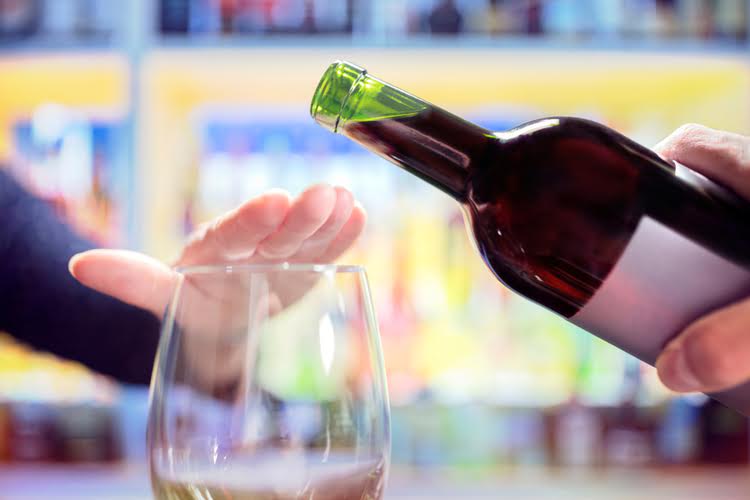

But, while risk factors for high blood pressure like eating too much salt, physical inactivity and obesity are well-known, the risk that comes from drinking too much alcohol is often overlooked. You may have seen headlines that linked having one drink a day to a greater rise in blood pressure with age, compared to people who don’t drink at all. That’s not certain yet, since the finding, published in the journal Hypertension, was based on how much people said they drink, and the blood pressure gap between the teetotalers and those who drank only a little alcohol was pretty small. “I generally advise patients to try to avoid alcohol intake until we can get the blood pressure controlled,” Goldberg says. Factors such as age, mental health, existing medical conditions and drug use can affect the impact of alcohol on an individual. Exercise, meditation, and counseling are all powerful tools in combating anxiety.
- Each woman was given either no alcohol or 15 g of alcohol (1 standard drink) with either a low-carbohydrate or a high-carbohydrate, high-fat meal.
- Some people wonder if specific types of alcohol, like red wine or beer, are better for blood pressure alcohol.
- However, this is a short-lived benefit and should not be mistaken for a health benefit.
- Approximately 1 to 2 drinks per day may have no effect on or lead to a slight reduction in stroke events; however, greater daily alcohol levels increase the risk for all stroke events and incident stroke types.
Botden 2012 published data only
On top of that, alcohol itself can raise your blood pressure—potentially offsetting the benefits of your medication. Just more than two drinks for men or more than one for women can be enough to have that effect, Maron said. If your blood pressure is high, you may need lifestyle changes and medicines to control it and reduce the risk of complications, such as heart attacks and strokes. †These recommendations address high blood pressure as a single health condition. If you also have heart disease, diabetes, chronic kidney disease or certain other conditions, you may need to treat your blood pressure more aggressively.

Berglund 1989 published data only
According to our pre‐specified dose categories, both 15 g and 30 g of alcohol fell under the medium dose category. Including both of these doses how does alcohol affect blood pressure or de‐selecting either one of these doses from Rosito 1999 from Analysis 2.1 and Analysis 2.2 (medium doses of alcohol) resulted in the same statistically significant conclusion. We classified six studies as having low risk of performance bias (Dai 2002; Narkiewicz 2000; Nishiwaki 2017; Potter 1986; Rosito 1999; Van De Borne 1997).